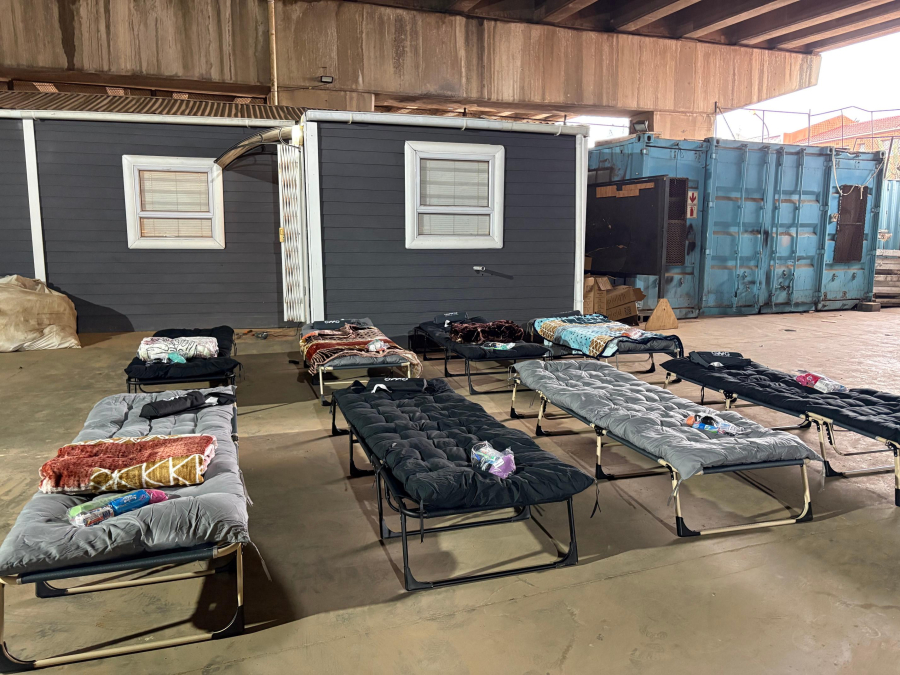
Providing overnight accommodation for the chronically homeless, desperate for a bed for the night during the brutal Cape winter, proved to be an overwhelming success, and a stepping stone to stability.
The aim was to provide a safe, sheltered overnight sleeping space to help individuals experiencing chronic homelessness survive the harsh and unforgiving Cape winter nights.
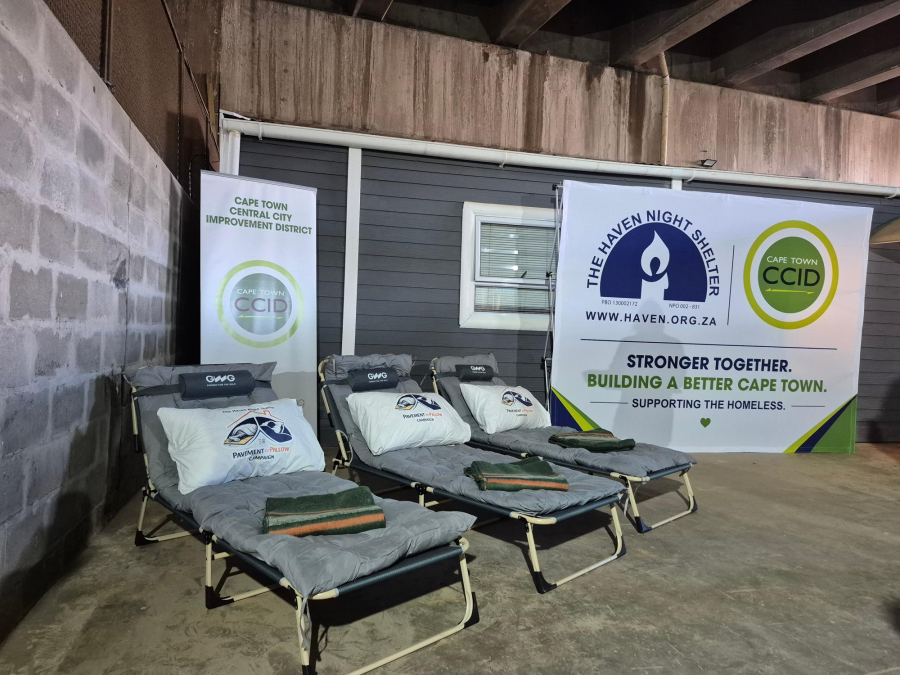
To that end, the temporary shelter, piloted this winter by the Cape Town Central City Improvement District and The Haven Night Shelter, proved an extraordinary, welcome success.
Nearly 5 000 people were offered a bed for the night at the Safe Sleeping Zone, demonstrating the insistent demand for overnight accommodation.
“We have been blown away by the incredible response to the project, the aim of which was to improve quality of life and foster a more inclusive CBD during the harsh winter months,” says Tara Gerardy-Bissolati, CCID Social Development manager. “Our average occupancy since launching was 73,7 %, meaning that the project answered a real need in the CBD community.”
However, it also proved to be a stabilising factor and a beacon of hope for many of the people who entered its doors as it connected them to social support and enabled them to take the next step to stabilising their lives.
Shaddie Valayadum, CEO of The Haven Night Shelter, says the initiative was about far more than providing a bed for the night. “It created an opportunity for those who spent the night at the Safe Sleeping Zone to engage directly with the Haven’s Social Work staff who were able to identify a personal development plan and a path out of homelessness for clients.
“It was never meant to be a final destination, and we are pleased with the results that it has achieved. The Haven is grateful to CCID for the partnership and joint vision in getting homeless and rough sleepers off the street.”

BRACING FOR WINTER
The Safe Sleeping Zone provided bed space for at least 60 people every night as part of CCID Social Development’s Winter Readiness Programme. It was situated next to the Haven Night Shelter in District Six. Launched on 1 June 2026, it closed its doors on 30 September 2026, recording 4 907 overnight stays.
Gerardy-Bissolati says the pilot demonstrated both the demand for safe overnight accommodation as well as the importance of connecting people experiencing homelessness to ongoing support.
The Safe Sleeping Zone recorded 494 engagements with its support services during the pilot. “Practical support for chronically homeless individuals is vital as they are often excluded from existing facilities due to eligibility criteria,” she explains. “Through ongoing engagement by our Night Outreach Team and Social Development staff, clients were supported to access relevant services and, where appropriate, pursue relocation or placement into longer-term accommodation.”
REUNITED WITH FAMILY
Through the initiative, at least 49 people were relocated or reunited with their families. Among these was the successful reunification of a woman from KwaZulu-Natal with her family after she had been discharged from hospital and accommodated at the facility while recovering. In another case, a young man who stayed at the shelter for more than a week secured employment as a cleaner and subsequently moved into his own accommodation.
“These outcomes demonstrate the role of the facility as a stabilising first step, supported by consistent, compassionate outreach and peer engagement,” says Gerardy-Bissolati.
Demand remained steady throughout the pilot, with the Night Outreach Team continuing to encounter people arriving in the CBD from other areas and provinces without accommodation. Many had been unable to secure shelter through other means.
“The Safe Sleeping Zone provided much-needed safe, structured and welcoming space, with many people experiencing greater stability and safety than they would have on the street,” says Gerardy-Bissolati.
WINTER READINESS PROJECT
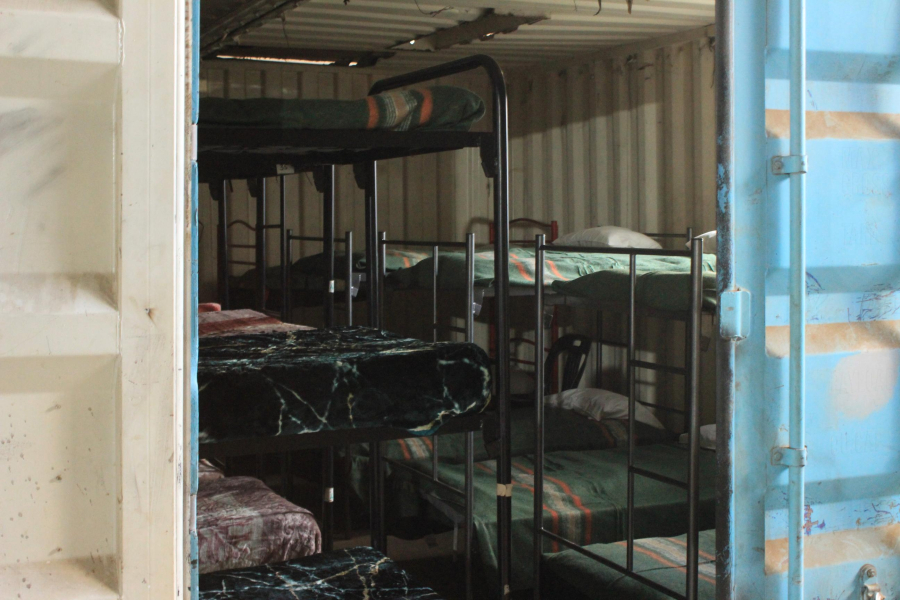
CCID Social Development sponsors 43 beds at shelters throughout the year and increases this by a further 45 beds during winter to meet seasonal demand. The addition of the Safe Sleeping Zone brought the total number of beds sponsored by the CCID during the winter period to 148.
Access to the Safe Sleeping Zone was managed through a controlled referral and ticket-based system, with individuals referred directly by the CCID’s Social Development team from within its 1.6 km² footprint.
CCID CEO Tasso Evangelinos says the project builds on more than two decades of social development interventions in the city centre.
“Twenty-six years ago, an estimated 70 % of the Western Cape’s homeless population was concentrated in the Cape Town city centre. The CCID started seeing meaningful improvements about a decade ago through intervention programmes, with the Safe Sleeping Zone being a milestone in this journey.”
He adds that while it is a targeted response to immediate winter needs, there is an opportunity for growth.
“Our hope is that its success as a pilot project will pave the way for expansion. This is because it is about creating continuity of care for people experiencing homelessness and opportunities for people to rebuild confidence, gain experience, develop professionally and move towards greater stability – and this is something that is needed all the time, including outside the harsh winter months,” concludes Evangelinos.
IMAGES: CCID