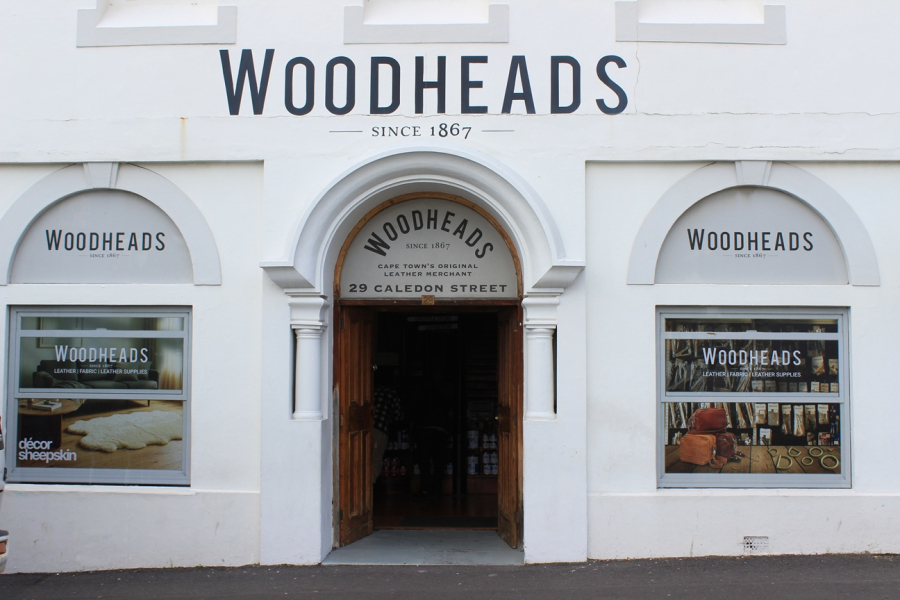
Woodheads, the CBD’s time-honoured leather merchant, has been at the heart of Cape Town’s leather trade for almost 160 years.
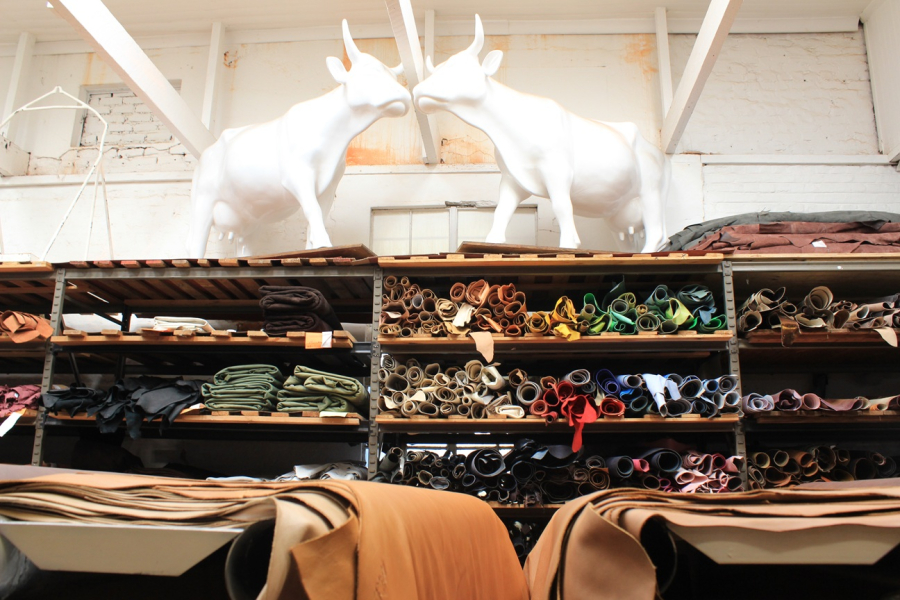
The distinctive white building in Caledon Street belies the scale of the activity within. It’s only when you enter Woodheads and start exploring that you discover the expansive leather and fabric operation over two levels, the lifestyle store, and another section that houses the warehouse, factory and sales office. There’s also a small on-site coffee shop for customers and their own clients.
Woodheads was founded as J. Woodhead’s & Sons by Sir John Woodhead, a marine engineer-turned-tanner who later served as mayor of Cape Town at the turn of the 19th century.
Since those early days, Woodheads has adapted continually to changing times, tastes and trends, while preserving its heritage and character.
From the 1950s it has been owned by the Harris family, with third-generation owner and CEO Richard Harris now at the helm. The business was bought by his late grandfather, Sam Harris, when he moved to Cape Town from Napier. At the time, Woodheads was based in Riebeek Street and had already changed ownership once. Sam Harris ran the business with his wife, Sarah. His son, Ivan Harris, helped his mother run the company when his father passed away.
Family lore has it that Woodheads was removed from its Riebeek Street premises in the 1960s because the rent cheque was a day late. “So, they moved to the Caledon Street building … and they started to trade,” says Harris.
In those days, supply to the shoe factories was very big. Harris recalls: “There was a large shoe industry in South Africa in the 1970s, 80s and early 90s. Then everything changed. Trade barriers were removed and the shoe factories started closing.”
RELEVANT YET RESILIENT
When Cape Town’s shoe industry started to shrink, many workers became entrepreneurs, he says. This had implications for leather merchants such as Woodheads.
One reason for the company’s longevity is its philosophy of “looking after the smaller guys”, an approach that has helped it remain resilient during tougher economic times.
“In a recession, the smaller guys need to make money. So, they make their own belts, repair their own shoes, start making their own bags. If they haven’t got a job, they start a little business.”
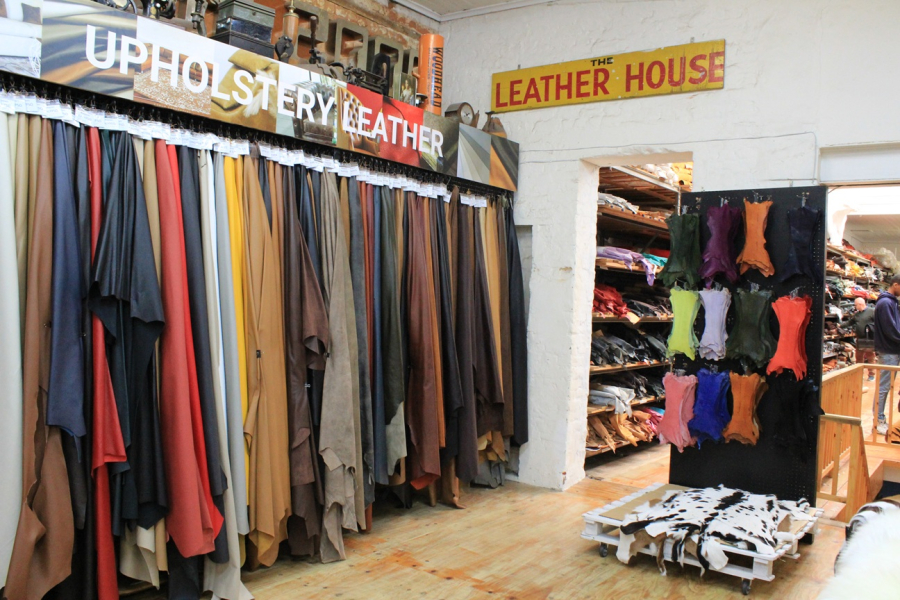
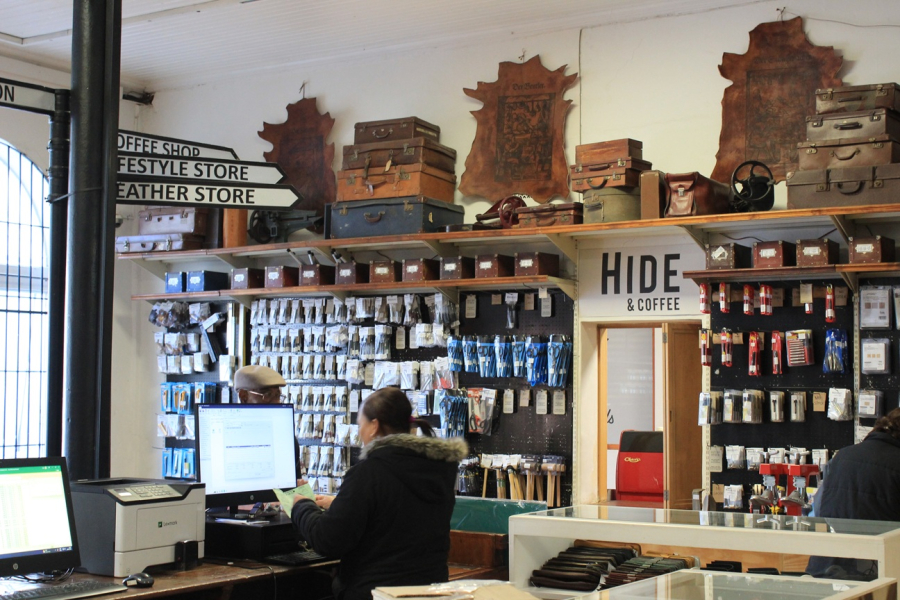
Today, Woodheads trades in a wide range of leather-related products and services: leather; fabric; leather supplies (tools, fittings, buckles, and more); and services such as laser and Computer Numerical Control (CNC) cutting and large format digital leather printing.
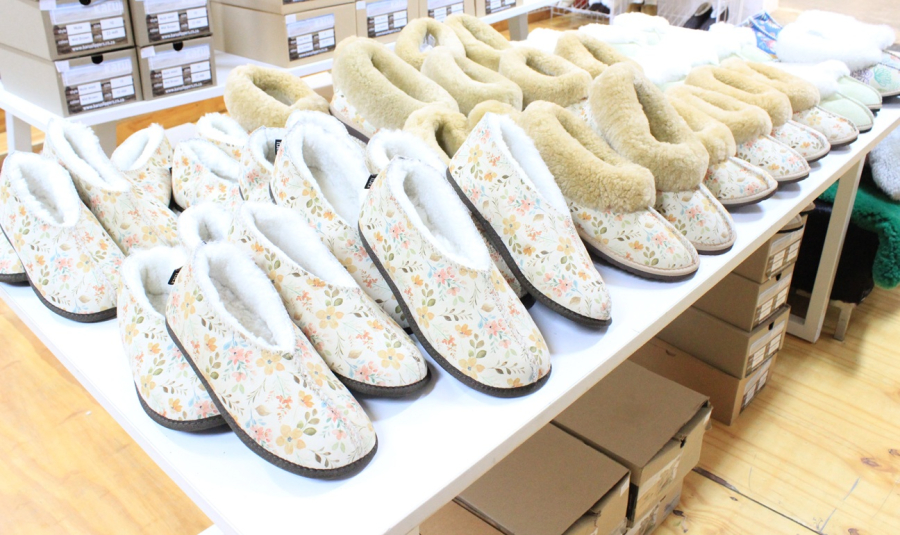
It also manufactures an established, premium line of sheepskin slippers and boots under the KARU brand. A novel service that has gained popularity is the on-site belt bar. “We provide the belt blank; you select the buckle and then we emboss and stitch it while you watch your belt being made,” Harris explains.
This personal touch extends throughout the business – even to welcoming customers’ pets, many of which are known to staff by name. “We cater for everybody,” says Harris, “from the guy who wants the smallest piece of leather to the larger leather goods and furniture manufacturers”.
BALANCING HERITAGE WITH INNOVATION
With a BSc Engineering degree from the University of Cape Town and an MBA, Harris joined the company in the early 1990s. “In 2000, we made a strategic decision to get out of the material supply of the shoe factories and push more into the leather business, and added value by investing in the latest technology of digitising customers' designs and installing the latest cutting, laser and engraving equipment. We discovered the upholstery industry, the fabric industry and the industrial foam industry,” he says.
Inside Woodheads, the balance between past and present is deliberate. “We decided to keep it as close as we can to reflect the history, but also to modernise.”
The business was one of the first in the country to acquire a CNC leather cutting machine. It was also the first leather company to do digital printing on leather.
TRADING IN THE EAST CITY
The family has seen the East City change significantly. Once dominated by small clothing and leather merchants, it is now a popular cosmopolitan area, with eateries and niche retail outlets, as well as nightclubs, bars and entertainment which give it a young, fast-paced vibe.
When Cape Town was named World Design Capital (WDC) in 2014, it “changed the whole of Harrington Street” and the area became “the next go-to bohemian kind of place to be”. Harris recalls the time when he and late brother, Steven, who contributed his expertise to the WDC programme, were very active with the Cape Town Central City Improvement District (CCID) and the City in turning the area around into a bustling must-visit area.
At the time, Woodheads made the strategic move of adding a lifestyle store to focus on leather products, bags and slippers to cater for the growing tourist and local market.
Change inevitably brings challenge. Referring to the City’s plans to revitalise nearby Harrington Square, Harris notes the need for balance, given the area’s heritage significance.
He also stresses the importance of parking, despite the city’s trend towards pedestrianisation. "There's a lot of demand ... but there are also a lot of role-players in the game," he points out. Congestion in the area, and new “bump-outs” in the road, make logistics tricky for trucks picking up goods for distribution. What's more, the cost of parking, and the lack thereof, has made the area challenging for out-of-town customers wanting to visit the area.
LOOKING TO THE FUTURE
Woodheads is preparing for its 160th anniversary next year, with plans to refresh the premises and display more interesting archival items collected over the decades.
How the future looks depends on “what happens in the world order”, reflects Harris. “We will keep on innovating, changing and looking for opportunities. Our customers are wide and diverse. But we will always remain Cape Town-centric.”
IMAGES: CCID
Other stories you might like:
Small business confidence high as Cape Town CBD business owners make impact
Claus Tworeck’s ‘Red Bus’ success story